


The statement landed in March. We opened it expecting calm and found a portfolio that had quietly tilted into three tech names. Our portfolio diversification, the thing we swore we’d handled, turned out to be a story we told ourselves. Nothing had crashed yet. But the risk was real, and we hadn’t seen it coming. Here’s what that messy year taught us, mistakes and all.
The year our portfolio diversification looked fine on paper
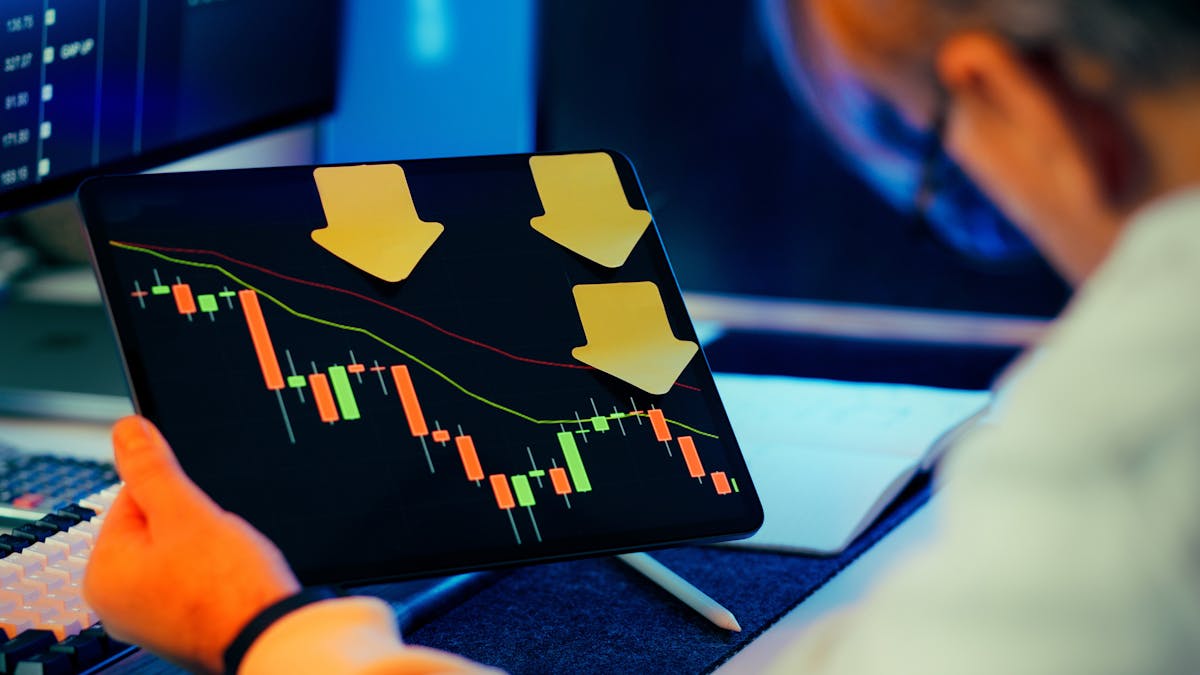
On paper, we owned eleven funds. Felt safe. Then one rough quarter hit tech, and almost a third of our money fell together in a matter of weeks. That’s the trap. Owning a lot of things isn’t the same as owning things that behave differently when the market turns.
We’d confused activity with protection. Real portfolio diversification isn’t a count of holdings. It’s a spread across assets that don’t all react to the same headline. We learned that the slow way, watching one piece of bad news drag nearly everything down at once while we refreshed the screen and hoped.
What actually goes into a diversified portfolio
So we rebuilt from the basics. Stocks for growth over the long haul. Bonds for ballast when stocks wobble. A little cash so we weren’t forced to sell at the worst possible moment. Each one does a different job, and that mix of jobs is the whole point.
If you want the textbook version, Vanguard lays out the core building blocks clearly in their guide on diversifying your portfolio. We paired that reading with an honest look at our own holdings, wrote down a target for each slice, then set a simple rule to keep it in line through regular portfolio rebalancing. The rule mattered more than the spreadsheet ever did.

The pieces we’d ignored at first
Stocks and bonds were only the start. We’d skipped real estate, short-term instruments, and broad funds that hold hundreds of names in a single ticker. Adding a few of those smoothed the ride far more than any single clever pick ever had.
Index funds did a lot of the heavy lifting here, which is why we still point friends to our breakdown of index funds versus ETFs before they overthink the choice. Boring, broad, and cheap tends to beat exciting and concentrated over a full market cycle. We stopped trying to be clever and started trying to be covered.
How spreading out softened the next drop
The next downturn arrived the following autumn. This time it stung less. When stocks slid, our bonds held their ground, and the cash gave us room to breathe. We didn’t panic-sell, because we didn’t have to. That quiet was the real payoff of portfolio diversification, and you only feel it when the market is ugly.
Was it perfect? Not even close. Some months still hurt, and one fund we loved kept sinking. But the portfolio didn’t move as one frightened block anymore. That single difference let us stay invested through the part where most people sell low and regret it later.
Why our timeline changed the whole plan
Here’s the question we wish we’d asked on day one. How long until we actually need this money? The answer reshaped everything. Cash we’d touch within two years went into safe, dull places where a crash couldn’t reach it. Money we wouldn’t need for decades could ride the swings of a diversified portfolio without us flinching at every dip.
Time turned out to be a kind of protection on its own. The longer the horizon, the more risk we could carry, as long as the mix stayed genuinely spread out and we kept feeding it steadily through dollar cost averaging instead of trying to time the bottom.
The day we noticed everything moved together
The sharpest lesson was about correlation. Two investments can carry different names and still fall in lockstep when fear takes over a market. We’d owned several funds that, underneath the labels, all leaned on the same handful of giant companies. They weren’t really separate bets.
So we started checking how our holdings actually behaved against each other, not just what the fund brochures called them. Honestly, that one shift did more for our investment diversification than any new fund we ever bought. It cost nothing and changed how we judged every position.
Looking past our own backyard
We’d kept almost everything in our home market out of pure habit. Adding international exposure felt strange at first, like betting on places we couldn’t see. But economies don’t all run on the same clock. A slice of overseas stock gave us a buffer the year our local market stalled and the rest of the world kept growing.
What that messy year taught us
We stopped chasing the perfect holding and started managing how the whole thing fits together. Spread the risk on purpose. Match it to your timeline. Check what truly moves with what, not just the labels. None of it looks flashy, and that’s exactly why it keeps working when the headlines turn scary.
Frequently Asked Questions About Portfolio Diversification
What is portfolio diversification and why does it matter?
It’s spreading your money across assets that don’t all rise and fall on the same news. It matters because it lowers the odds that one bad event wipes out a big chunk of your savings at once.
How many asset classes should a diversified portfolio have?
There’s no magic number. Most people get solid coverage with stocks, bonds, cash, and a touch of real estate or broad international funds. The quality of the spread beats raw quantity every time.
Can you be too diversified?
Yes. If you own so many overlapping funds that they all track the same market, you pay the cost and complexity without much extra protection. Watch for holdings that secretly do the same job.
How often should you rebalance a diversified portfolio?
Once or twice a year is plenty for most people, or whenever a holding drifts well past its target. The aim is to bring the mix back in line, not to tinker with it every week.
If your own mix has drifted while you weren’t watching, you’re in good company. Start with one honest review this week. Map what you own, see what moves together, and adjust from there. For a plain definition to anchor the basics, the overview of diversification in finance is a fair place to begin, then make the first small change while it’s fresh.

